
Social Health Authority Faces Funding Gaps, Debt Claims, and Contribution Concerns - February 2026
A report by the Institute of Economic Affairs (IEA) indicates Kenya's new Social Health Authority (SHA) is facing a Sh116 billion funding gap and issues with fraud, hindering the rollout of Universal Health Coverage. Lack of adequate funding is described as a major obstacle to the SHA's full implementation. In addition, faith-based health providers are demanding the government release over Kshs 10 billion in debt owed to them by the now-defunct NHIF and the SHA. Meanwhile, Manyatta MP Mukunji has voiced concerns over unfairness in SHA contributions, highlighting a disparity where some pay monthly while others may have to pay for two years upfront. The government's plan is to strengthen healthcare services, with an explanation that the SHA is meant to offer a broader safety net than the previous NHIF.
More Videos

Serikali yapania kuimarisha huduma ya afya nchini
NTV Kenya (Youtube)

SHA is not like NHIF, it offers a broader safety net, Says Imbunya
KTN News (Youtube)
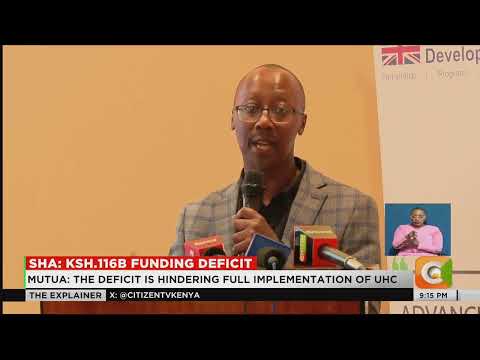
IEA report flags Sh116bn SHA funding gap, fraud hindering UHC rollout
Citizen TV (Youtube)
Churches demand Sh10bn debt from government
Citizen TV (Youtube)
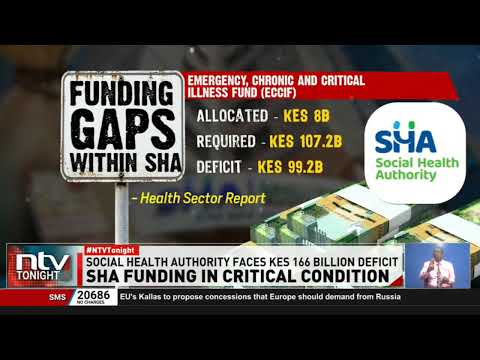
Lack of adequate funding remains a major obstacle to SHA full implementation
NTV Kenya (Youtube)
More from Wednesday, February 11, 2026


Cabinet Approves Education Reforms, TVET Funding, and Sh4.1 Billion for Drought Response - February 2026




EACC Takes Action on Officials as Report Ranks Kenya's Corruption Fight Poorly - February 2026