Business & Economy5 stories from 2 sources
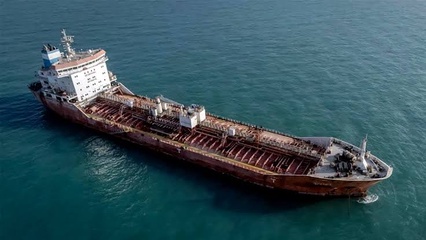
Global oil prices surged by over 10% following attacks on at least three ships near the Strait of Hormuz, a critical global oil and gas transit route. The escalating Middle East conflict led to attacks on ships, causing oil prices to jump and stock markets to fall. Thailand responded by ordering an immediate suspension of oil exports and establishing an emergency energy monitoring center amid heightened tensions. Meanwhile, OPEC+ announced a decision to increase oil output by 206,000 barrels per day in April, aiming to gradually resume voluntary adjustments made in April 2023. The crisis also disrupted air travel significantly, with Jomo Kenyatta International Airport experiencing a surge in parked aircraft as Gulf carriers sought refuge from widespread flight cancellations and rerouting.
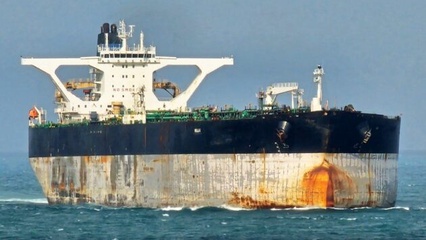
In response to Iran's closure of the Strait of Hormuz amid heightened Middle East tensions, Thailand has ordered an immediate suspension of oil exports and established an emergency energy monitoring center.
Summary & Analysis
The ongoing Middle East crisis has significantly impacted air travel, leading to widespread flight cancellations and rerouting, with Jomo Kenyatta International Airport (JKIA) experiencing a surge in parked aircraft.
Summary & Analysis