Govt moves to establish Infrastructure, Sovereign Wealth Funds secure stability
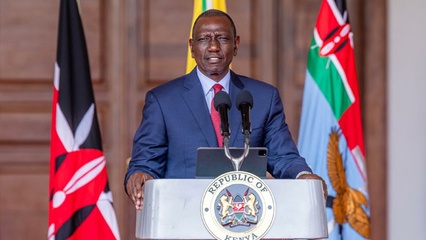
President Ruto said the twin funds will play a key role in promoting sustainable development by channeling resources into long-term national priorities and shielding the economy from shocks. - Kenya breaking news | Kenya news today | Capitalfm.co.ke..
✨ Key Highlights
Kenya is establishing two new funds—an Infrastructure Fund and a Sovereign Wealth Fund—to strengthen its long-term economic stability and ensure prudent investment of public resources. President William Ruto announced the initiative in Vihiga County on Sunday, aiming for a stronger economic future for the country.
- The Sovereign Wealth Fund Bill of 2019, introduced under the previous administration, sought to manage surplus revenues but stalled in Parliament due to governance concerns.
- The proposed Infrastructure Fund aims to support major public projects and reduce reliance on commercial borrowing, potentially reshaping Kenya's fiscal landscape.
- The announcement coincides with an IMF mission visit, suggesting a strategic move by Nairobi to signal fiscal discipline during financial support program negotiations.
Continue Reading
Read the complete article from Capital News
Part of the Day's Coverage
Govt Announces SGR Land Acquisition, New Infrastructure Fund, and Senate Probes Busia Projects - October 2025
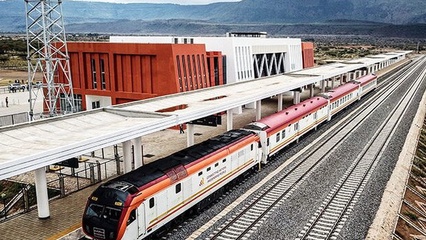
The National Land Commission (NLC) has announced revisions to land parcels designated for the Nairobi-Naivasha Standard Gauge Railway (SGR) project. This involves acquiring 25 additional parcels of land and amending others for the Phase 2A expansion, affecting a total of 38 land portions. To support major projects, the government is establishing an Infrastructure Fund and a Sovereign Wealth Fund, an initiative announced by President William Ruto to ensure prudent investment of public resources. In a related oversight action, the Kenyan Senate, through its Senate Mashinani initiative, has extended its focus to Busia County. The Senate will scrutinize several stalled infrastructure projects and inefficient cross-border trade operations that hinder local development.



Kenya's news, briefed daily
Daily Briefs with audio, your topics, and breaking stories.


Related News

Take Kenya's news with you
Breaking stories, daily briefs, and the topics you follow - on your phone, free.