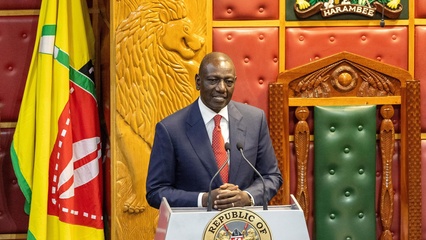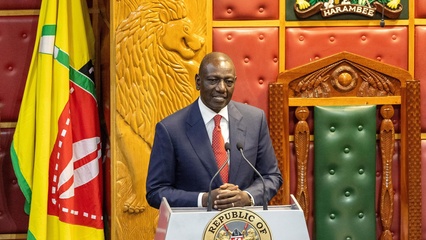
Maraga Hits Out at Ruto Hours After Govt Announces Ksh200k Qatar Jobs
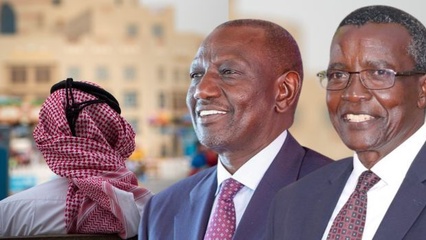
A recent article by the New York Times revealed that several people in government were profiting from Ruto's labour export programme...
✨ Key Highlights
Former Chief Justice David Maraga has strongly criticized President William Ruto's government over its labour export program, particularly concerning jobs in Qatar reportedly paying up to Ksh200,000 per month. Maraga vowed to end the program if elected president, calling it "modern-day slavery" and arguing that the government should focus on creating opportunities at home.
- Maraga described the labour export as "against the very nature of elected governance," emphasizing concerns about a "depletion of Africa’s best talent."
- The criticism follows a New York Times article exposing alleged abuse and mistreatment of Kenyan workers in Gulf nations, with recruitment agencies reportedly profiting $1,000 (Ksh129,950) per worker.
- Labour Cabinet Secretary Alfred Mutua dismissed abuse claims, highlighting high earning potential, such as 100 nurses for Qatar earning up to Ksh200,000, with projected 100,000 to 250,000 Kenyans securing jobs abroad next year.
Continue Reading
Read the complete article from Kenyans
Part of the Day's Coverage
Kenya Responds to 'Slave Trade' and Human Trafficking Allegations - November 2025
Kenya's Prime Cabinet Secretary and Foreign Affairs CS Musalia Mudavadi vehemently denied allegations by the New York Times that implicated the Kenya Kwanza administration and President William Ruto's family in a 'slave trade' involving Kenyans sent to Saudi Arabia. Additionally, Mudavadi refuted claims that Kenya is a human trafficking hub, following a controversy involving 153 Palestinians who traveled from Gaza to South Africa via Nairobi. In a separate development, former Chief Justice David Maraga criticized the government's labor export program, particularly concerning jobs in Qatar reportedly paying up to Ksh200,000 per month. Maraga vowed to end the program if elected, calling it "modern-day slavery" and arguing that the government should focus on creating opportunities at home.