How realistic is India’s quest for magnets made of rare earths
Developing a full rare earths ecosystem is expensive, complex and time-consuming. By focusing on magnets instead, one of the most widely used rare-earth products, India aims to achieve self-reliance more quickly. Kenya breaking news | Kenya news today |..
✨ Key Highlights
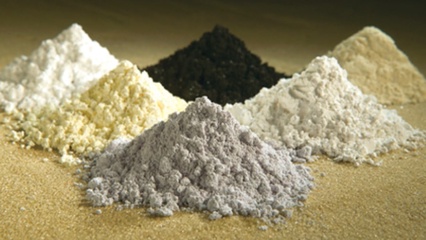
India has approved a 73-billion-rupee ($800m; £600m) plan to produce rare earth magnets, aiming to reduce its dependence on China, which currently controls over 90% of global rare earth processing. The initiative seeks to achieve self-reliance by focusing on magnet production, a crucial component in electric vehicles, wind turbines, and smartphones.
- India plans to produce 6,000 tonnes of permanent magnets annually within seven years.
- China's tightened export controls last year highlighted India's vulnerability, as it imports 80-90% of its magnets and related materials from China.
- Experts emphasize the need for technological mastery, secure materials, and scalability, with consulting firm Benchmark Mineral Intelligence's Neha Mukherjee stressing the importance of strategic partnerships to build capabilities.
- India possesses the world’s third-largest rare earth reserves (about 8% of the global total) but mines less than 1%, largely exporting its raw materials.
- Concerns remain about India's lack of industrial expertise, difficulty in sourcing specific heavy rare earth elements, and challenges in competitively pricing domestically produced magnets against cheaper imports from China.
Continue Reading
Read the complete article from Capital Business
Part of the Day's Coverage
US and Canada Adjust Tariffs with Taiwan and China; India Invests in Rare Earths - January 2026
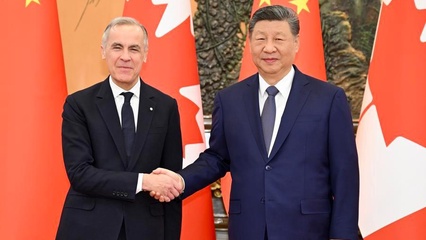
Several nations are making strategic policy changes regarding trade and critical industries. China and Canada have announced significant tariffs relief following a meeting between Chinese leader Xi Jinping and Canadian Prime Minister Mark Carney. In a separate policy move, the US has agreed to reduce tariffs on goods from Taiwan to 15% in exchange for a significant investment pledge aimed at boosting domestic semiconductor production. Meanwhile, India has approved a 73-billion-rupee ($800m) plan to produce rare earth magnets. This initiative aims to reduce India's dependence on China, which currently controls over 90% of global rare earth processing, and achieve self-reliance in a component crucial for electric vehicles and smartphones.