IEBC drops pre-2027 boundary changes: Here’s why
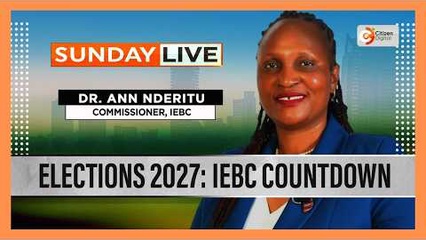
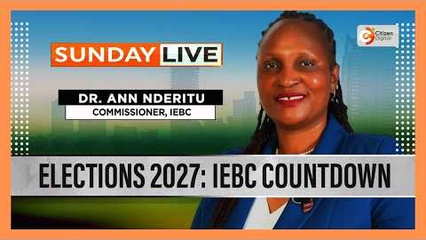
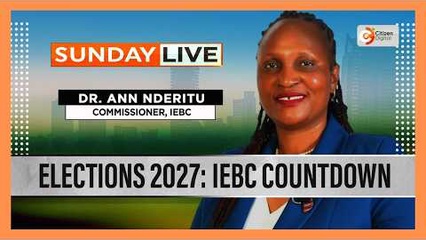
The IEBC adopts a phased approach to electoral boundary delimitation, citing constitutional timelines, ongoing litigation, and preparations for the 2027 General Election...
✨ Key Highlights
The Independent Electoral and Boundaries Commission (IEBC) has postponed the substantive review and delimitation of electoral boundaries until after the 2027 General Election due to tight constitutional timelines, ongoing litigation, and logistical preparations. This phased approach prioritizes foundational work while deferring changes to constituency and ward boundaries until legal and institutional challenges are resolved.
- The IEBC cited the judicial invalidation of the 2019 Kenya Population and Housing Census data in parts of northern Kenya, affecting 14 of 17 constituencies in Garissa, Wajir, and Mandera counties, as a major hurdle.
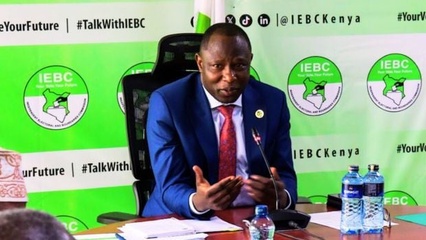
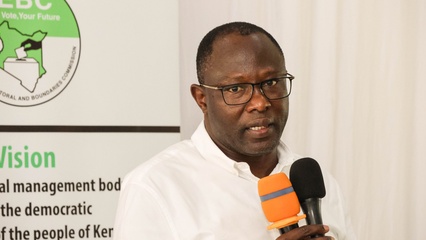
- IEBC Chairperson Erastus Ethekon stated the decision safeguards the electoral integrity and adheres to constitutional principles.
- The last boundary review concluded in 2012, meaning the subsequent exercise was due by March 2024, a deadline which has already passed.
Continue Reading
Read the complete article from Capital News
Part of the Day's Coverage
IEBC Delays Boundary Review and Registration of 32 Parties Stalls Ahead of 2027 Election - January 2026
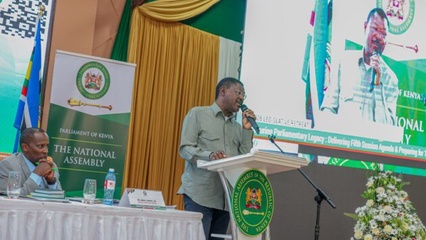
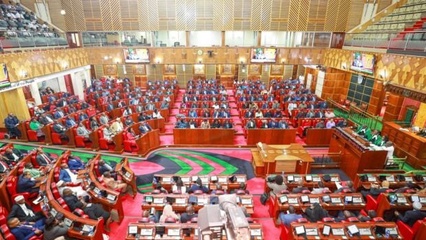
The Independent Electoral and Boundaries Commission (IEBC) has postponed the review and delimitation of electoral boundaries until after the 2027 General Election, citing tight constitutional timelines and logistical preparations. IEBC Chairperson Erastus Ethekon warned that these delays could significantly impede the 2027 general elections. In a separate challenge to the upcoming polls, the registration of 32 new political parties has stalled due to a funding crisis within the Office of the Registrar of Political Parties (ORPP). Amid these developments, National Assembly Speaker Moses Wetang’ula warned that over half of current Members of Parliament might lose their seats in the 2027 elections, based on a 56 percent attrition rate. He urged MPs to contribute to a savings scheme, reigniting discussions on pension and medical insurance reforms.