Ruto to seek court ruling on legal status of political party manifestos
President William Ruto will approach the court to clarify the legal status of political party manifestos amid challenges slowing government policy rollout...
✨ Key Highlights
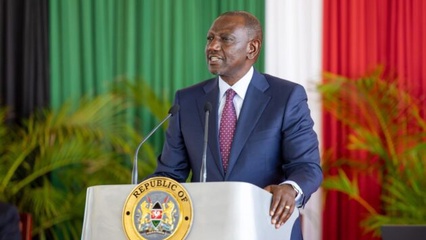
President William Ruto announced his intention to seek a court interpretation on the legal standing of political party manifestos in government policy implementation. This move aims to clarify how far an electoral manifesto can guide policy, especially when its implementation faces legal challenges, often citing public participation issues.
- President William Ruto will petition the court to define the legal status of manifestos regarding policy implementation.
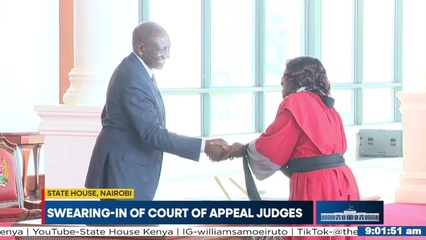
- The announcement was made at State House, Nairobi, on Wednesday, January 28, during the swearing-in of 15 new Court of Appeal judges.
- Deputy President Kithure Kindiki previously raised similar concerns in November 2025, noting that court decisions were impeding the government's development agenda and emphasizing the need for clarity on judicial independence intersecting with other government arms.
Continue Reading
Read the complete article from Capital News
Part of the Day's Coverage
President Ruto Swears in 15 Judges, Addresses Judiciary on Court Orders and Policy - January 2026
On Wednesday, January 28, President William Ruto presided over the swearing-in of fifteen new appellate judges at State House, Nairobi, to address a severe shortage in the Court of Appeal. During the ceremony, President Ruto affirmed his administration's commitment to upholding the rule of law and vowed never to defy court orders. However, he also publicly criticized the Kenyan Judiciary in front of Chief Justice Martha Koome, accusing judges of blocking key government projects and impeding his administration’s mandate. President Ruto also announced his intention to seek a court interpretation on the legal standing of political party manifestos in government policy implementation. This move aims to clarify how an electoral manifesto can guide policy when facing legal challenges.