Bad fuel: How excess sulphur and manganese damage engines

Fuel sold in Kenya is required to meet strict standards...
✨ Key Highlights
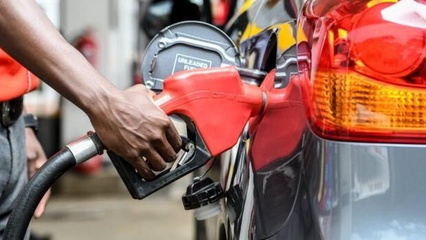
Kenya is facing a significant fuel scandal involving the importation of substandard petrol containing excessive sulphur and manganese. These contaminants can severely damage vehicle engines and emission control systems.
- The imported fuel exceeded EAC standards, with sulphur at 0.0043% (limit 0.001%), benzene at 2.79% (limit 1%), and manganese at 36.5 mg/kg (limit 2 mg/kg).
- Investigations are focusing on potential failures in the Energy Cabinet Secretary's ministry and related government officials.
- This off-spec fuel poses risks of increased emissions, reduced fuel economy, and costly engine repairs for Kenyan motorists, particularly affecting used imported vehicles sensitive to fuel quality.
Continue Reading
Read the complete article from Nation Business
Part of the Day's Coverage
Bad Fuel Scandal Grows as Kenyan Motorists Face Engine Damage Risk - April 2026
Kenya is facing a significant fuel scandal involving the importation of substandard petrol containing excessive sulphur and manganese, which can severely damage vehicle engines and emission control systems. The Competition Authority of Kenya has issued a stern warning to oil marketing companies against hoarding and anti-competitive practices amidst ongoing fuel shortages. A severe fuel shortage in Mombasa has forced car importers to shift from road to rail transport for vehicle deliveries, as truckers face difficulties sourcing diesel. Meanwhile, petrol and diesel prices continue to rise despite a ceasefire agreement between the US and Iran, due to ongoing concerns about its durability and impact on oil supplies.


Kenya's news, briefed daily
Daily Briefs with audio, your topics, and breaking stories.


Take Kenya's news with you
Breaking stories, daily briefs, and the topics you follow - on your phone, free.