Explained: Why Electric Buses in Nairobi are Raising Fares Despite Not Using Fuel
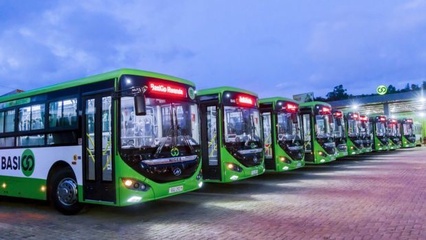
Many are wondering why the electric vehicles have increased fares despite not being affected by the latest price increase since they do not use fuel...
✨ Key Highlights
Commuters in Nairobi are surprised by fare increases on electric buses following a recent fuel price hike, despite the vehicles not using petrol or diesel.
- Fares on electric buses have aligned with those of fuel-powered public service vehicles (PSVs) after a 25 per cent increase in fuel prices was announced on Wednesday, April 15.
- The decision is driven by fare setting agreements among various Saccos and associations, including the Matatu Owners Association, which operate mixed fleets of electric and fuel vehicles.
- Indirect cost increases, such as higher electricity tariffs from thermal power plants and increased costs for transporting parts, also contribute to the fare adjustments for electric buses.
Continue Reading
Read the complete article from Kenyans
Part of the Day's Coverage
Online Cab Drivers Announce 1.5x Fare Hike Following Fuel Price Surge - April 2026
Online cab fares in Kenya are set to increase significantly after drivers announced a new pricing structure. The Organization of Online Drivers (OOD) is implementing a 1.5X fare multiplier, which will substantially raise minimum charges. At the same time, commuters in Nairobi are facing surprise fare increases on electric buses following a recent fuel price hike, despite the vehicles not using petrol or diesel. Meanwhile, commuters across Kenya are experiencing immediate difficulties as transport fares have been increased following a surge in fuel prices that took effect at midnight Tuesday.