
Fuel, food and fare: The chain reaction driving inflation
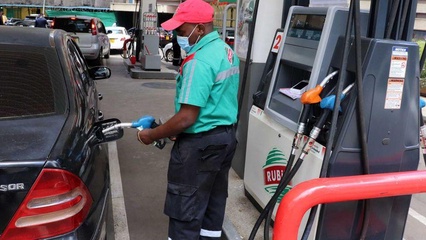
Kenya’s inflation climbed to 5.6 percent in April 2026 from 4.4 percent in March, according to data from the Kenya National Bureau of Statistics, driven largely by rising transport and food prices. Kenya breaking news | Kenya news today |..
✨ Key Highlights
Rising fuel prices in Kenya are triggering a significant chain reaction, impacting everything from food costs to transportation and household budgets.
- Kenya's inflation reached 5.6 percent in April, largely driven by increased transport and food prices.
- The Energy and Petroleum Regulatory Authority (EPRA) announced sharp fuel price hikes following global crude oil cost increases.
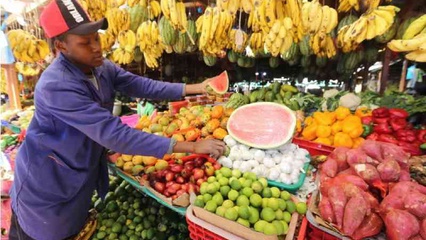
- Traders and consumers are experiencing the direct impact, with increased costs for sourcing goods, higher bus fares, and reduced purchasing power for non-essential items.
Continue Reading
Read the complete article from Capital Business
Part of the Day's Coverage
Counties must stop signing contracts they cannot afford - May 2026
Kenyan county governments are facing a significant crisis by signing contracts without the financial capacity to fulfill them, leading to billions in pending bills owed to suppliers and contractors. At the same time, Kenyan families are struggling to cope with a high cost of living, forcing many to reduce consumption, seek additional income, and adjust their spending habits amidst rising inflation. Fuel prices in Kenya are triggering a significant chain reaction, impacting everything from food costs to transportation and household budgets. Additionally, the Kenyan government has postponed plans for income tax relief targeting low-income earners due to an anticipated Sh35 billion revenue shortfall.





Kenya's news, briefed daily
Daily Briefs with audio, your topics, and breaking stories.





Take Kenya's news with you
Breaking stories, daily briefs, and the topics you follow - on your phone, free.