EPRA Yields To Pressure, Revises Fuel Prices Mid-Cycle After Crisis Meeting
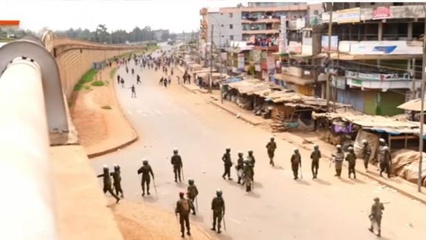
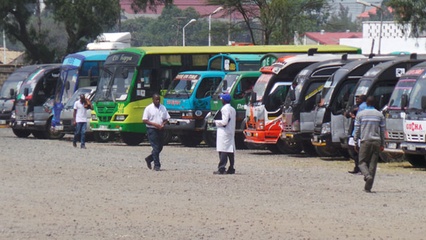
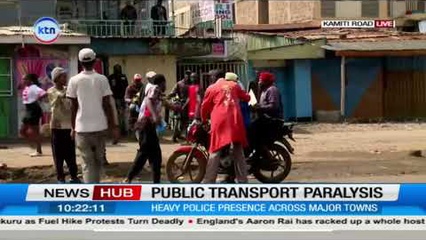
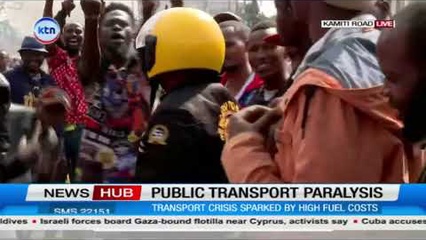
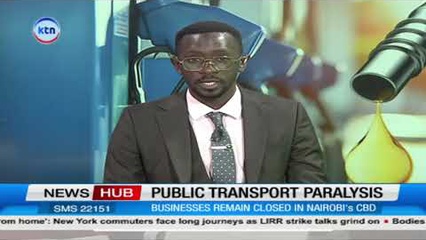
The Energy and Petroleum Regulatory Authority (EPRA) has issued an extraordinary mid-month fuel price revision following a high-stakes, six-hour consultative meeting with public transport stakeholders. The emergency adjustments are aimed at defusing an aggressive nationwide matat..
✨ Key Highlights
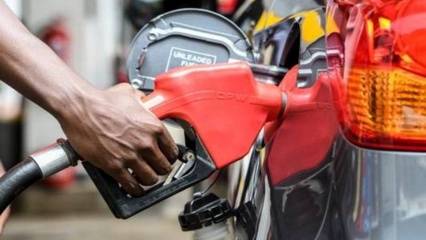
Kenya's Energy and Petroleum Regulatory Authority (EPRA) has drastically revised fuel prices mid-cycle following an emergency meeting with public transport stakeholders to avert a nationwide matatu strike.
- EPRA has slashed diesel prices by Ksh 10.06 per litre and increased kerosene prices by Ksh 38.60, while super petrol prices remain unchanged for the period May 19 to June 14, 2026.
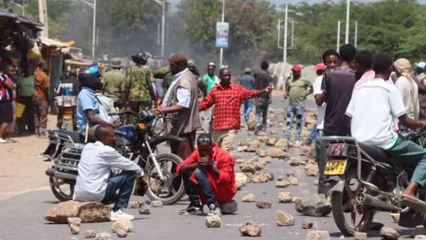
- The revision was prompted by a petition from public transport operators and to prevent fuel adulteration, following an earlier price hike that triggered widespread transport shutdowns.
- Despite the adjustments, public transport operators have rejected the revision and vowed to continue their nationwide strike, deeming the diesel reduction insufficient.
Continue Reading
Read the complete article from Ghafla! (Entertainment)
Part of the Day's Coverage
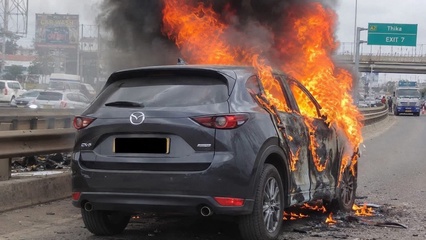
Pastor Whose CX5 Was Torched Recounts Harrowing Ordeal - May 2026
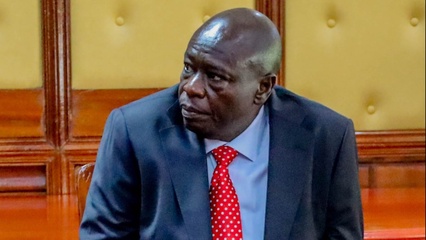
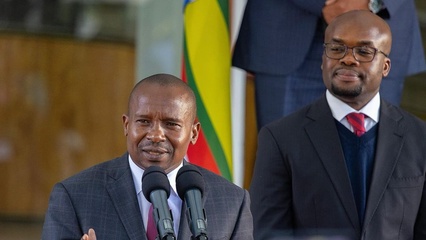
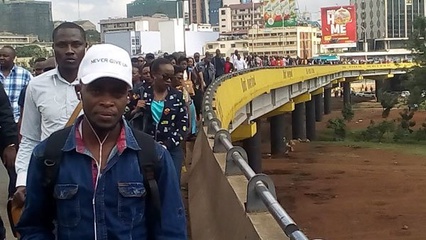
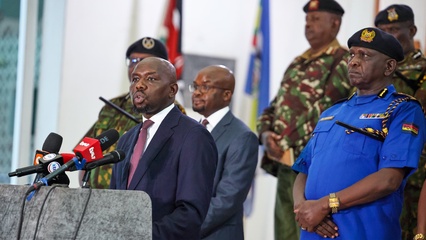
A pastor in Nairobi had his vehicle torched during anti-fuel price protests in the Githurai area on Monday morning. Former Deputy President Rigathi Gachagua accused a corruption cartel within the Ministry of Petroleum of causing the recent surge in fuel prices, demanding answers from President William Ruto. Following widespread protests, Deputy President Kithure Kindiki indicated the government might explore further measures to reduce fuel costs while firmly stating that violent demonstrations will not influence policy. The Energy and Petroleum Regulatory Authority (EPRA) drastically revised fuel prices mid-cycle following an emergency meeting with public transport stakeholders to avert a nationwide matatu strike. Additionally, matatu operators temporarily suspended their nationwide strike over high fuel prices for one week, averting a prolonged economic crisis after two days of paralyzed transport.