
Video News4 videos from 1 source
EACC Reveals Widespread Corruption in KRA and Healthcare Sector - August 2025
The Ethics and Anti-Corruption Commission (EACC) has released a report highlighting significant corruption within key Kenyan institutions. The Kenya Revenue Authority (KRA) was identified as the second most corrupt institution, following the police service, with Kenyans reportedly forced to offer bribes for services. Furthermore, the EACC uncovered a widespread practice of patients resorting to bribery to access medical treatment in hospitals, indicating systemic issues in the healthcare sector. These revelations underscore the persistent challenge of corruption and financial misconduct in the country.
EACC raids Busia over Sh1.4B tender probe involving six top county officials.
KTN News (Youtube)
More Videos

Ripoti ya EACC yaonesha KRA ya pili kwa ufisadi, wakenya wanalazimika kutoa hongo ili kupata huduma.
KTN News (Youtube)
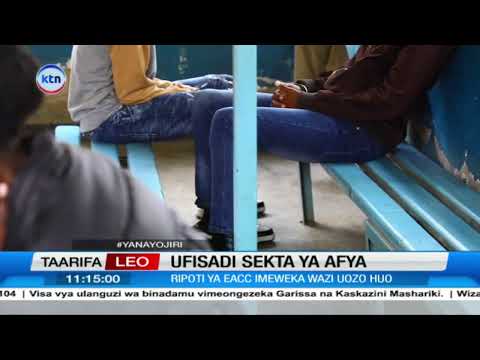
Wagonjwa watoa hongo kupata matibabu, EACC yafichua uozo hospitalini.
KTN News (Youtube)
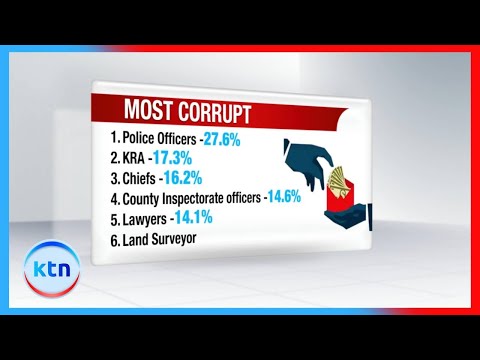
EACC report ranks KRA officers as second most corrupt after police, who top the list again
KTN News (Youtube)

The Online Kenyan Android App
Kenya's news, briefed daily
Daily Briefs with audio, your topics, and breaking stories.
Get the Kenyan News appFree Android app on Google Play


More from Thursday, August 7, 2025



Breaking News & Top Stories3 stories
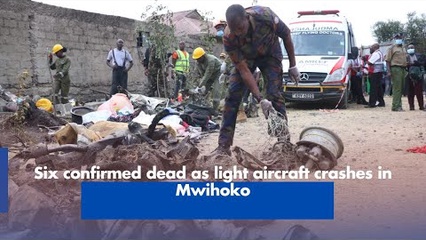
Aircraft Crash in Mwihoko, Githurai 45 - August 2025
K
C
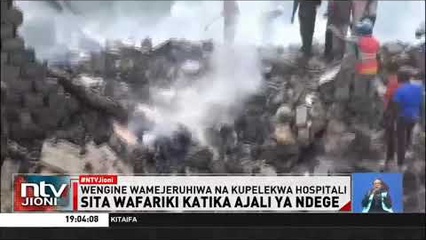


Video News7 stories
AMREF Aircraft Crash in Mwihoko, Kiambu County Causes Multiple Fatalities - August 2025
N
T


Breaking News & Top Stories3 stories
Boda Boda Related Directives and Incidents - August 2025
K