
KRA Clarifies Tax on Deposits, World Bank Warns on Bank Loans, and PS Reveals eCitizen Revenue - September 2025
The Kenya Revenue Authority (KRA) has clarified that a recent tribunal ruling does not grant it blanket powers to tax all bank deposits. Instead, the ruling affects only deposits that lack proper documentation, which are deemed taxable income under the Income Tax Act. On a broader economic note, the World Bank expressed concern over increasing non-performing loans in Kenya's banking sector, warning they threaten to cause losses for local banks and erode capital buffers. Meanwhile, Immigration Principal Secretary Belio Kipsang revealed that three technology firms maintaining the eCitizen platform earn over Ksh3 million daily. This disclosure comes amidst criticism over a Ksh50 convenience fee which an audit report deemed unlawfully imposed.
News Coverage
KRA Issues Alert on Undocumented Bank Deposits

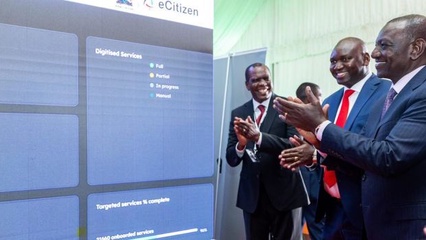
PS Reveals How 3 Firms Pocket Over Ksh3 Million Every Day to Run eCitizen
World Bank Reveals Why Kenyan Banks Risk Incurring Losses



Your M-Pesa, turned into a budget
An automatic SMS ledger and expense tracker.

More from Tuesday, September 9, 2025



Authorities Warn on Fake Police Recruitment Links, Unpaid Pension Levies, and Counterfeit Seeds - September 2025



Celebrities Publicly Address Conflicts and Breakups With Former Partners - September 2025