
Business & Economy4 stories from 1 sources
Kenyan Economic Reports Reveal Mixed Performance and Widespread Hardship - September 2025
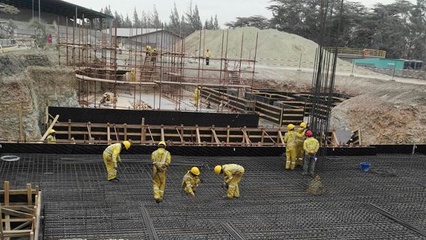
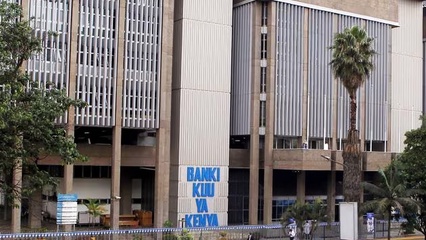
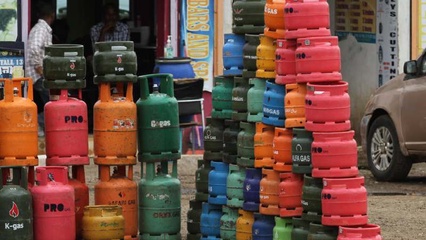
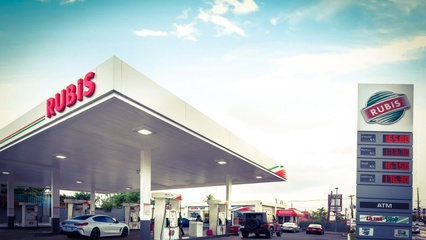
A recent TIFA survey reveals widespread economic hardship in Kenya, with most families experiencing falling incomes and surviving on KSh 20,000 or less. The construction sector has seen a sharp slowdown, with the value of building approvals in Nairobi plummeting by over 50% in June 2025 compared to a year earlier due to elevated material costs. In corporate results, Rubis Kenya's first-half sales for 2025 dropped by 7% to KSh 69.1 billion, though the company freed up liquidity by redeeming KSh 5.3 billion in fuel subsidy papers. In contrast, there was strong investor demand for government securities, as the 364-day Treasury Bill was heavily oversubscribed for a second consecutive week.
TThe Kenyan Wall StreetFirst
News Coverage
Friday 12:07 PMThe Kenyan Wall Street
Building Approvals in Nairobi Down by More Than 50% as Material Costs Remain Elevated
Friday 8:18 AMThe Kenyan Wall StreetFirst
364-Day T-Bill Heavily Oversubscribed for Second Week
Friday 8:39 AMThe Kenyan Wall Street
Falling Incomes, Limited Jobs Leave Most Families Surviving on KSh 20,000 or Less
Friday 12:12 PMThe Kenyan Wall Street
Rubis Kenya H1 Sales Drops 7% to KSh 69bn, Redeems KSh 5.3bn Fuel Subsidy Papers


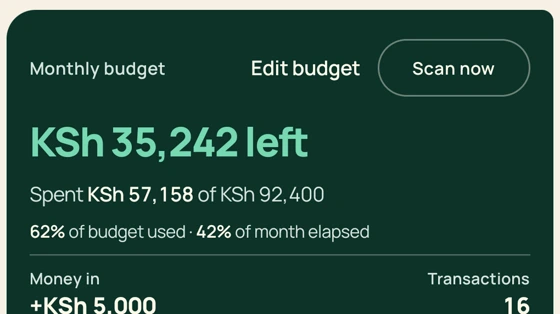
Budget Pesa Android App
Your M-Pesa, turned into a budget
An automatic SMS ledger and expense tracker.
Get Budget PesaFree Android app on Google Play

More from Friday, September 12, 2025




Sports News & Updates5 stories
Athletes to Compete in Rugby, Boxing, Golf, and World Championships - September 2025
S


Video News3 stories
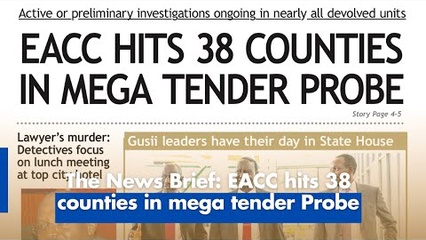
EACC Probes 38 Counties for Tender Irregularities; Auditor General Cites Disregarded Recommendations - September 2025
N
K



Business & Economy3 stories
Financial Payouts Follow Court Rulings and Government Action in Kenya - September 2025
C
T