
Business & Economy3 stories from 1 sources
US and Canada Adjust Tariffs with Taiwan and China; India Invests in Rare Earths - January 2026
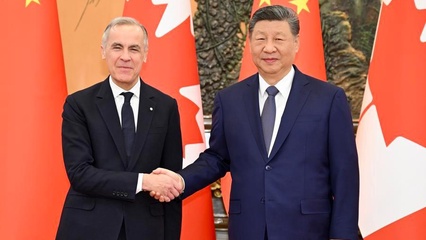
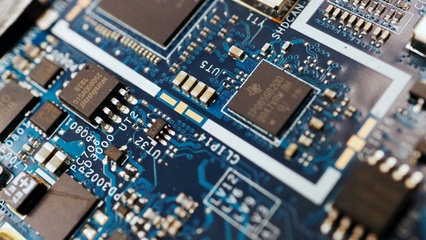
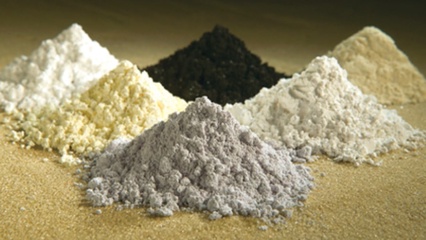
Several nations are making strategic policy changes regarding trade and critical industries. China and Canada have announced significant tariffs relief following a meeting between Chinese leader Xi Jinping and Canadian Prime Minister Mark Carney. In a separate policy move, the US has agreed to reduce tariffs on goods from Taiwan to 15% in exchange for a significant investment pledge aimed at boosting domestic semiconductor production. Meanwhile, India has approved a 73-billion-rupee ($800m) plan to produce rare earth magnets. This initiative aims to reduce India's dependence on China, which currently controls over 90% of global rare earth processing, and achieve self-reliance in a component crucial for electric vehicles and smartphones.
CCapital BusinessFirst
News Coverage
Friday 4:24 PMCapital Business
China and Canada announce tariffs relief after a high-stakes meeting between Carney and Xi
Friday 11:33 AMCapital BusinessFirst
US to cut tariffs on Taiwanese goods after investment pledge
Friday 2:51 PMCapital Business
How realistic is India’s quest for magnets made of rare earths
Advertisement
More from Saturday, January 17, 2026
Technology & Innovation3 stories
Equity Bank Launches Card, Starlink Offers Installments & NTT DATA Named Top Employer in Kenya - January 2026
T
T



Breaking News & Top Stories3 stories
Government Reserves 10,000 Acres for Military Camps as KDF Emphasizes New Strategies - January 2026
K
C




Sports News & Updates4 stories
Harambee Starlets Drawn in WAFCON Group A; SportPesa Premier League Action Continues - January 2026
S