EAC launches Lake Victoria State of the Basin Report 2025 at COP30
Described by regional leaders as a “landmark, evidence-based blueprint,” the report consolidates data on water quality, biodiversity, climate change, population pressures, land use, and natural resource management...
✨ Key Highlights
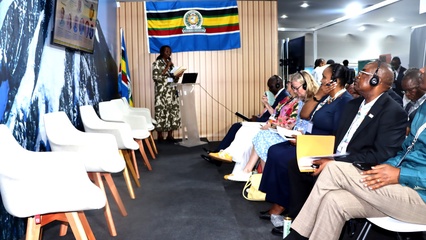
The East African Community (EAC) launched the preview edition of the Lake Victoria State of the Basin Report 2025 at the United Nations Climate Change Conference (COP30) in BELÉM, Brazil. This report, prepared by the Lake Victoria Basin Commission (LVBC) with support from GIZ, provides a crucial assessment of the environmental, socio-economic, and governance conditions of the Lake Victoria Basin.
- The report highlights significant environmental pressures, including declining water quality, biodiversity losses, and the intensifying impact of climate change on the basin, which supports over 45 million people.
- Andrea Ariik, EAC Deputy Secretary General for Infrastructure, Productive, Social and Political Sectors, emphasized that Lake Victoria is "the beating heart of East Africa" but is under "serious threat," urging decisive action and investment.
- A key feature is the Water Information System (WIS), funded with EUR 60 million by Germany’s Federal Ministry for Economic Cooperation and Development (BMZ) through KfW, designed for monitoring and evidence-based decision-making.
Continue Reading
Read the complete article from Capital News
Part of the Day's Coverage
Regional Bodies Address Drought, Environment, and Trade in East Africa - November 2025
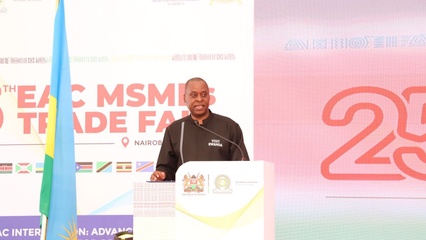
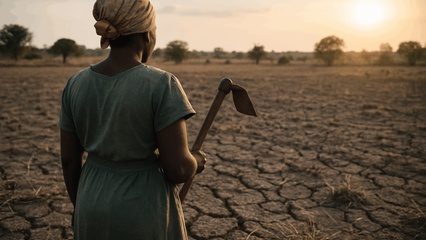
Regional bodies in East Africa are addressing significant cross-border issues. The IGAD weather centre has predicted an intensified drought in the Horn of Africa, with forecasts of continued below-normal rainfall through January 2026 threatening millions across eastern Kenya, southeastern Ethiopia, and southern Somalia. Separately, the East African Community (EAC) launched the preview of the Lake Victoria State of the Basin Report 2025 at the COP30 conference in Brazil, assessing the environmental and socio-economic conditions of the basin. At the 25th EAC MSMEs Trade Fair, Rwanda advocated for a regional strategy to boost culture-driven entrepreneurship and market access for small businesses.