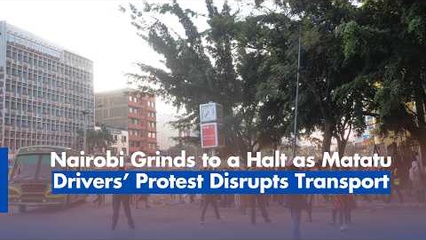
Chaos on the roads as matatu strike paralyses transport
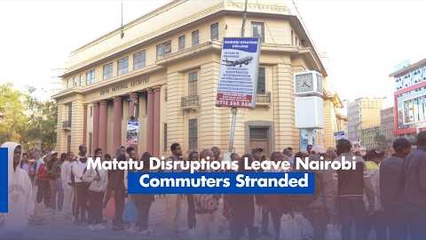
Thousands of commuters in Metropolitan region were left stranded on Monday morning after sections of the matatu industry stayed off the roads, defying reports that a planned strike had been suspended...
✨ Key Highlights
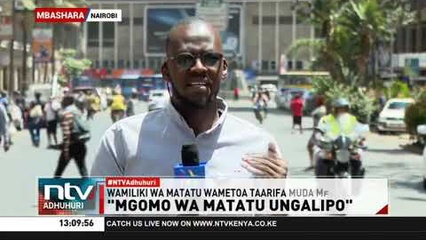
Chaos erupted on Monday morning, February 2, 2026, across Nairobi and other major Kenyan towns as a significant portion of the matatu industry went on strike, leaving thousands of commuters stranded and disrupting transport despite conflicting reports of a strike suspension.
- Thousands of commuters were forced to walk long distances or pay hiked fares from services like boda bodas and ride-hailing apps.
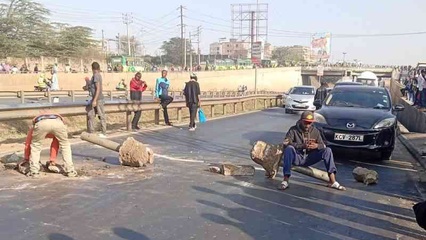
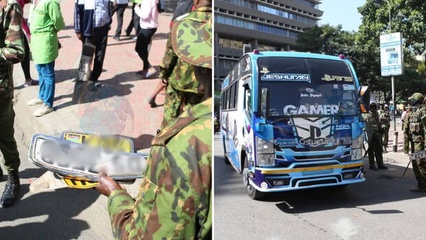
- The strike led to protests and road blockages in areas like Kariobangi Roundabout and Tom Mboya Street in the CBD.
- The Matatu Owners Association (MOA), led by president Albert Karakacha, insisted the strike would proceed, citing the government's failure to address "growing lawlessness" among boda boda operators and claiming 15 matatus had been torched.
- The Federation of Public Transport Sector (FPTS) had announced the strike's suspension on Sunday after consultations, highlighting a lack of unity within the matatu sector.
Continue Reading
Read the complete article from The Standard
Part of the Day's Coverage
Matatu Strike Paralyzes Transport in Nairobi and Major Towns - February 2026
Chaos erupted on Monday, February 2, 2026, across Nairobi and other major Kenyan towns as a significant portion of the matatu industry went on strike, leaving thousands of commuters stranded. Matatu operators have vowed to continue their strike every Monday until President William Ruto addresses their grievances regarding what they term as increasing lawlessness by boda boda operators. The operators, who were also on strike on January 28, are demanding a direct meeting with the president. In response to the protests, police in Nairobi's Central Business District removed number plates and towed matatus that were blocking streets. Officers also used tear gas to disperse protestors as they worked to restore normal traffic flow.


Kenya's news, briefed daily
Daily Briefs with audio, your topics, and breaking stories.

Related News



Take Kenya's news with you
Breaking stories, daily briefs, and the topics you follow - on your phone, free.