Workers to pay more as new NSSF rates take effect
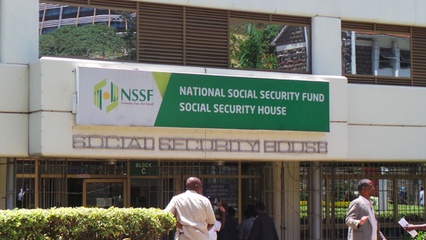
Under the revised structure, the Lower Earnings Limit has increased to Sh9,000, while the Upper Earnings Limit (UEL) has risen to Sh108,000, a move aimed at boosting long-term retirement savings for employees. Kenya breaking news | Kenya news today |..
✨ Key Highlights
Kenyans will experience higher salary deductions from February due to new National Social Security Fund (NSSF) contribution rates taking effect. The revised structure aims to boost long-term retirement savings, but will also reduce monthly take-home pay for employees.
- The Lower Earnings Limit (LEL) has increased to Sh9,000, and the Upper Earnings Limit (UEL) to Sh108,000.
- PricewaterhouseCoopers (PwC) issued a tax alert confirming the changes, which mark the final phase of a four-year transition under the NSSF Act of 2013.
- NSSF contributions remain at 12 percent of pensionable earnings, shared equally between the employee and employer, with employees eligible for tax relief on contributions up to Sh30,000 per month.
Continue Reading
Read the complete article from Capital Business
Part of the Day's Coverage
New NSSF Rates Take Effect, Use of Movable Assets as Collateral Surges, and Livestock Market Expansion Pushed in Kenya - February 2026
Kenyans will experience higher salary deductions from February due to new National Social Security Fund (NSSF) contribution rates taking effect, a move aimed at boosting long-term retirement savings but reducing monthly take-home pay. Separately, the use of movable assets as loan collateral surged by 43.02 percent in 2025, with security notices filed at the Movable Property Security Rights registry reaching 151,057. This increase reflects growing credit demand amidst easing monetary conditions. Concurrently, Kenya is intensifying efforts to expand its livestock and livestock product markets through the De-risking, Inclusion and Value Enhancement (DRIVE) Project to boost jobs, exports, and incomes.




Kenya's news, briefed daily
Daily Briefs with audio, your topics, and breaking stories.


Related News





Take Kenya's news with you
Breaking stories, daily briefs, and the topics you follow - on your phone, free.