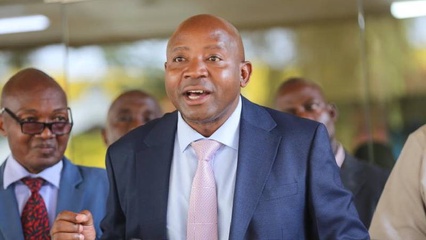
Rice saga: Court compels State to buy local rice before imports

Order followed a petition by Kirinyaga leaders who challenged a decision to import of 500,000 tonnes of rice...
✨ Key Highlights
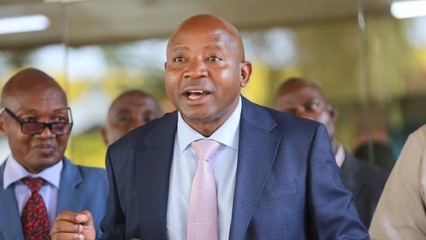
The High Court has compelled the Kenyan government to purchase all locally produced rice nationwide before allowing further duty-free imports. This ruling, in response to a petition filed by Kirinyaga Senator Kamau Murango and Baragwi Ward Representative David Mathenge, mandates a 30-day "mop-up" operation to clear local stocks.
- The court criticized the State for weak and selective purchasing, which excluded thousands of local producers while permitting cheaper foreign rice into the market.
- The mop-up must include cooperatives, individual farmers, traders, and millers across all major rice-producing regions, including Mwea, Bura, Ahero, and Nyatike.
- The previous duty-free rice imports in October 2025 saw only 514 tonnes purchased from local farmers, compared to 254,828 tonnes imported, despite court orders to prioritize local stocks.
Continue Reading
Read the complete article from Nation Business
Part of the Day's Coverage
Kenyan Courts Rule on Presidential Offices and Rice Imports; LSK Petitioned Over Drug Case Centralization - February 2026
The High Court in Kenya rejected an application to suspend a previous judgment that had nullified the creation of presidential advisory offices, with Justice Bahati Mwamuye ruling the request was res judicata. In a separate case, the High Court compelled the Kenyan government to purchase all locally produced rice nationwide before allowing further duty-free imports. This ruling, in response to a petition by Senator Kamau Murango and Representative David Mathenge, mandates a 30-day "mop-up" operation. Additionally, an advocate has petitioned the Law Society of Kenya (LSK) to challenge a directive by Chief Justice Martha Koome that centralized drug cases to just four courts, arguing it limits access to justice.




Kenya's news, briefed daily
Daily Briefs with audio, your topics, and breaking stories.


Take Kenya's news with you
Breaking stories, daily briefs, and the topics you follow - on your phone, free.