LSK urged to challenge centralised handling of drug cases

NAIROBI, Kenya – An advocate has petitioned the Law Society of Kenya (LSK) to move to court and challenge new directives that centralise the Kenya breaking news | Kenya news today |..
✨ Key Highlights
An advocate has petitioned the Law Society of Kenya (LSK) to challenge a directive by Chief Justice Martha Koome centralizing drug cases to just four courts, arguing it limits access to justice for thousands of Kenyans, particularly youth.
- The directive, Gazette Notice No. 387 of 2026, restricts cases under the Narcotic Drugs and Psychotropic Substances (Control) Act to courts at Jomo Kenyatta International Airport (JKIA), Kahawa, Mombasa, and Busia.
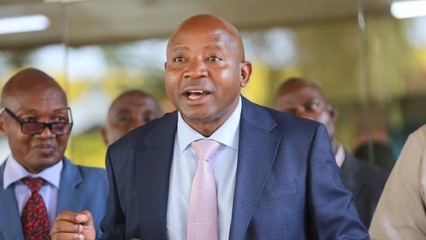
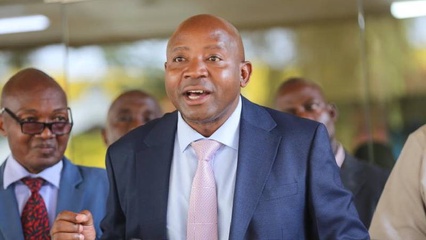
- Advocate Francis Wanjiku warns this policy disproportionately affects low-level possession cases involving small quantities of cannabis and first-time offenders, many of whom are young people, students, or low-income individuals.
- Wanjiku highlights that this centralisation undermines constitutional rights to access justice and fair trial, and could lead to severe case backlogs and potential abuse in a politically charged environment.
Continue Reading
Read the complete article from Capital Business
Part of the Day's Coverage
Kenyan Courts Rule on Presidential Offices and Rice Imports; LSK Petitioned Over Drug Case Centralization - February 2026
The High Court in Kenya rejected an application to suspend a previous judgment that had nullified the creation of presidential advisory offices, with Justice Bahati Mwamuye ruling the request was res judicata. In a separate case, the High Court compelled the Kenyan government to purchase all locally produced rice nationwide before allowing further duty-free imports. This ruling, in response to a petition by Senator Kamau Murango and Representative David Mathenge, mandates a 30-day "mop-up" operation. Additionally, an advocate has petitioned the Law Society of Kenya (LSK) to challenge a directive by Chief Justice Martha Koome that centralized drug cases to just four courts, arguing it limits access to justice.




Kenya's news, briefed daily
Daily Briefs with audio, your topics, and breaking stories.


Take Kenya's news with you
Breaking stories, daily briefs, and the topics you follow - on your phone, free.