Fuel and remittances: How Iran conflict hits India at home

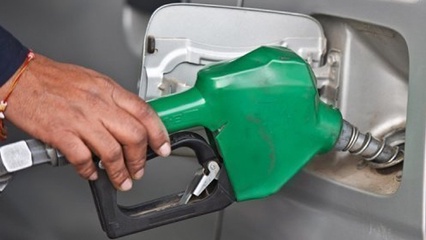
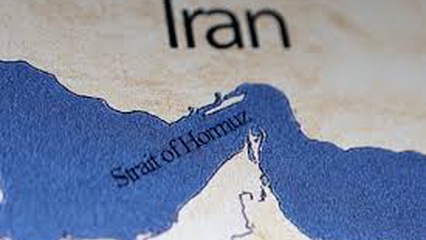
Nearly half of India's crude oil imports - along with a large share of its liquefied natural gas and liquefied petroleum gas shipments - normally pass through the Strait of Hormuz, the narrow Gulf chokepoint now effectively closed by the conflict. Kenya breaking news | Kenya news..
✨ Key Highlights
The conflict involving Iran is starting to impact India significantly, threatening its energy supplies, remittance flows, and diaspora safety.
- Nearly half of India’s crude oil, LNG, and LPG shipments pass through the Strait of Hormuz, which is currently disrupted by conflict.
- Approximately 10 million Indians live and work in the Gulf region, sending home record remittances, which are vital for India’s economy.
- The crisis also impacts India’s strategic investments, such as its involvement with the Chabahar port in Iran.
Continue Reading
Read the complete article from Capital Business
Part of the Day's Coverage
Iran Conflict Disrupts Energy Supplies and Trade Routes Globally - March 2026
Kenya's vital tea export market faces significant uncertainty due to the escalating conflict in the Middle East, which threatens supply chains and payment flows. The conflict is also starting to impact India significantly, threatening its energy supplies, remittance flows, and diaspora safety. The US government has temporarily eased sanctions on Russian oil sales to India to allow oil stranded at sea to reach the country amid escalating tensions in the Middle East. These developments create ripples that could impact daily life globally, with potential consequences for fuel prices, shipping costs, and even the cost of fertilizers.