EPRA Explains Why Electricity Bills Spike After Certain Units and How to Lower Them
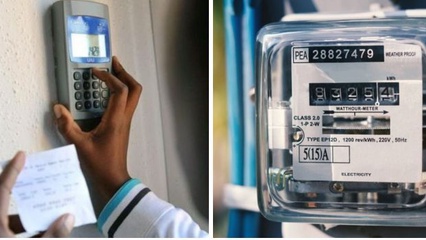
Many Kenyans have been raising concerns over the smaller number of units they have been getting per Ksh1,000 purchase over the past few months...
✨ Key Highlights
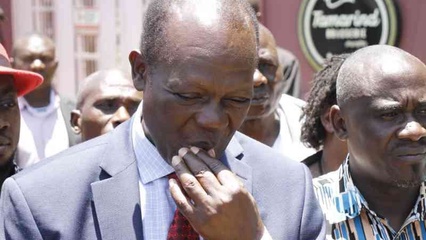
The Energy and Petroleum Regulatory Authority (EPRA) has explained why electricity bills increase significantly for Kenyan consumers using over 100 kilowatt-hours (kWh) monthly and offered strategies for cost reduction.
- Domestic customers consuming more than 100 kWh per month fall into the DC3 category, attracting a higher base tariff of Ksh18.57 per kWh, plus additional pass-through costs and taxes.
- EPRA, through its Director General Daniel Kiptoo Bargoria, highlighted the Time-of-Use (ToU) tariff program, allowing 50% savings during off-peak hours, which saved users Ksh971 million between July and December 2025.
- Regional consumption patterns influence bills, with Nairobi accounting for 44.24% of total electricity usage, while South Nyanza saw the fastest growth at 22.53%.
Continue Reading
Read the complete article from Kenyans
Part of the Day's Coverage
EPRA Catches 23 Petrol Stations Selling Adulterated Fuel - March 2026
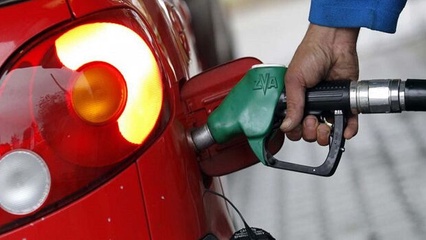
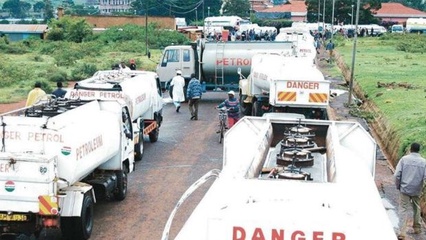
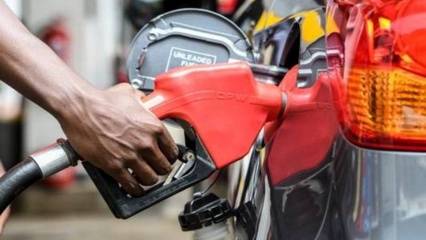
The Energy and Petroleum Regulatory Authority (EPRA) has identified 23 petrol stations across the country that were found selling adulterated fuel during a recent nationwide audit. EPRA has also explained why electricity bills increase significantly for Kenyan consumers using over 100 kilowatt-hours (kWh) monthly and offered strategies for cost reduction. Several African nations, including Tanzania, have secured crucial petroleum imports from Nigeria's Dangote mega-refinery, outpacing Kenya in the process amidst rising global fuel costs.