Gachagua warns of ethnic politics, rising insecurity countrywide

Gachagua alleged that children were disappearing daily and condemned alleged police collaboration with criminals...
✨ Key Highlights
Rigathi Gachagua, DCP party leader, has issued a stern warning against ethnic politics and escalating insecurity across Kenya. He criticized the President William Ruto administration for the high cost of living, corruption, and worsening security, potentially destabilizing the nation through 'ethnic rhetoric'.
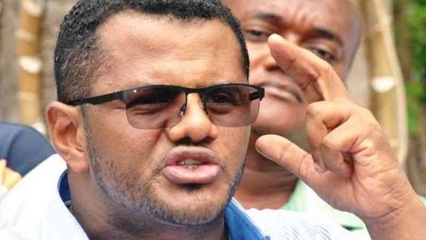
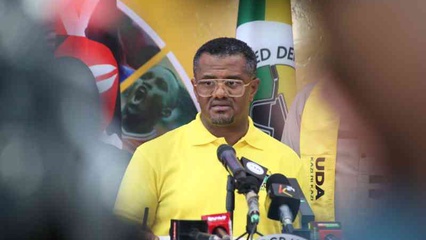
- Gachagua accused senior Kenya Kwanza leaders, including UDA Secretary General Hassan Omar, Treasury CS John Mbadi, and Senate Speaker Amason Kingi, of allegedly profiling a specific community.
- He emphasized the need for unity and peace, recalling the 2007/2008 post-election violence and urging leaders to "Stop drums of war, profiling and threatening one community."
- The former Deputy President also highlighted the deteriorating security situation, mentioning the killing of PCEA Reverend Julius Ndumia and alleged child disappearances and police collaboration with criminals.
Continue Reading
Read the complete article from Standard Politics
Part of the Day's Coverage
Hassan Omar Transforms From Rights Defender to Ruto's Hawkish Ally - May 2026
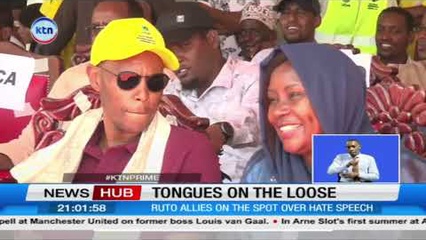
Hassan Omar, once a human rights defender and student leader, has undergone a significant political transformation to become a prominent ally and "hawkish praise singer" for President William Ruto and the UDA party. This evolution has drawn scrutiny, with Omar now facing accusations of hate speech and tribal incitement following recent remarks made in the presence of President Ruto. Meanwhile, the United Democratic Alliance (UDA) has launched scathing attacks on former President Uhuru Kenyatta, accusing him of bitterness and attempting to sabotage the current Ruto administration. In a related political development, Rigathi Gachagua, leader of the DCP party, issued warnings against ethnic politics and escalating insecurity across Kenya, criticizing the President William Ruto administration for the high cost of living, corruption, and worsening security that could destabilize the nation through ethnic rhetoric. These interconnected narratives reflect the complex political alignments and tensions within Kenya's current political landscape.