
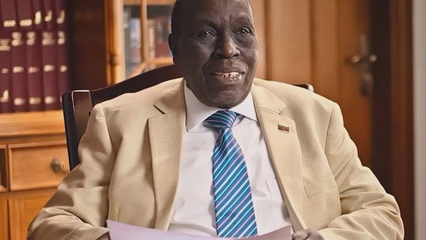
Donor pressure forced Kenya to liberalize economy, ex-CBK Governor Kotut

Speaking during the CBK Governors Series, former CBK Governor Eric Kotut said the government reached an agreement with donors to implement wide-ranging economic reforms, including the abolition of exchange controls and import licensing...
✨ Key Highlights
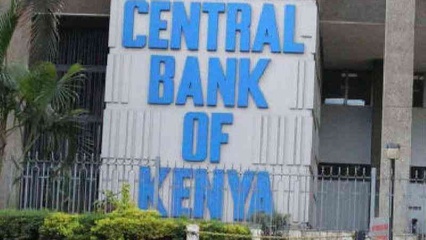
Former Central Bank of Kenya (CBK) Governor Eric Kotut revealed that Kenya was compelled to liberalize its economy following the 1992 General Election due to a freeze in funding from development partners.
- The decision to liberalize was a direct consequence of development partners freezing funding after the 1992 General Election.
- Key figure: Eric Kotut, former Governor of the Central Bank of Kenya.
- Notable detail: Reforms included the abolition of exchange controls and import licensing, coinciding with political changes like the repeal of Section 2A of the Constitution.
Continue Reading
Read the complete article from Capital Business
Part of the Day's Coverage
Ex-CBK Governor Details Reforms After 1980s Financial Crisis - August 2026
Former Central Bank of Kenya Governor Eric Kotut has detailed the significant regulatory reforms implemented to stabilize Kenya's financial sector following the 1988 banking crisis, which required major institutional changes to restore confidence. He revealed that Kenya was compelled to liberalize its economy following the 1992 General Election due to a freeze in funding from development partners. At the same time, unremitted pension deductions in Kenya have surged to Sh85.2 billion by the end of December 2025, a significant increase that jeopardizes the retirement savings of workers.



Kenya's news, briefed daily
Daily Briefs with audio, your topics, and breaking stories.


Related News



Take Kenya's news with you
Breaking stories, daily briefs, and the topics you follow - on your phone, free.