Video News
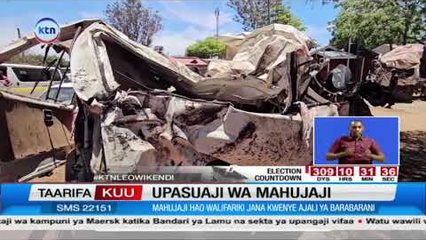
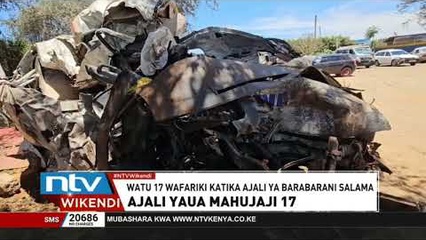
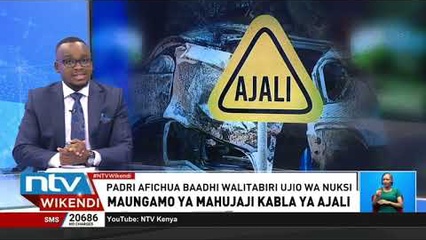
17 Pilgrims Killed in Salama Road Crash
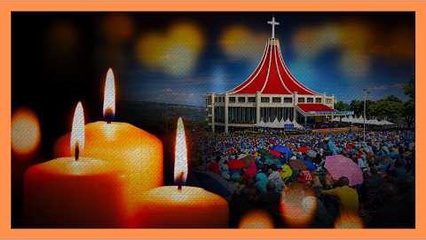
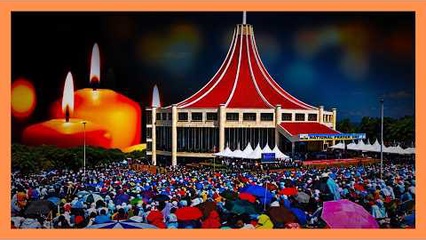
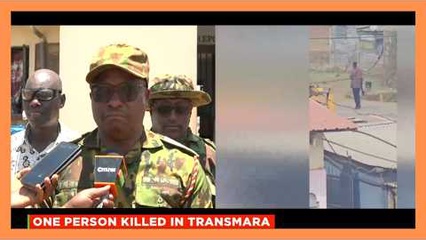
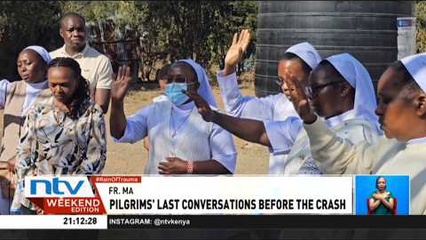
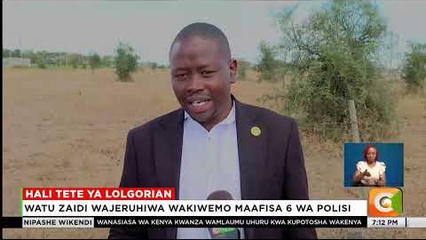
A tragic road accident in Salama has claimed the lives of 17 pilgrims while they were travelling from Mombasa to Subukia. This year's Catholic pilgrimage at the Subukia Shrine in Nakuru County was overshadowed by tragedy as the pilgrims lost their lives in the accident. Kenya's National Prayer Day for Catholic faithful was marked by grief over the 17 deaths that occurred while people were traveling to attend the event. The incident involved multiple vehicles on the Salama road, highlighting road safety concerns during religious pilgrimage season. Separately, in Trans Mara, a middle-aged man was shot dead during a clash between miners and police in Lolgorian, Transmara South, Narok County.
Ruto Defends Lamu Oil Refinery Against Opposition Critics
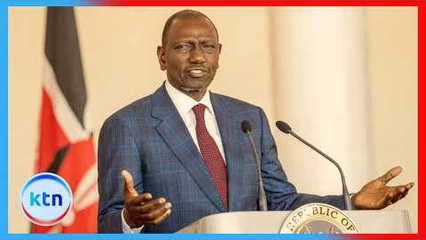
President William Ruto has concluded his eight-day tour of the Coast region, using the occasion to address criticism from the opposition regarding the planned Dangote refinery in Lamu. Ruto warned opposition leaders against inciting residents of Lamu to disrupt the construction of an oil refinery project linked to businessman Aliko Dangote. The opposition has demanded that the agreement governing the Dangote oil refinery project be made public. Additionally, lawyers in Kenya are cautioning that President Ruto's development projects may face legal hurdles due to insufficient public participation.




Four Killed in Samburu West Bandit Attack
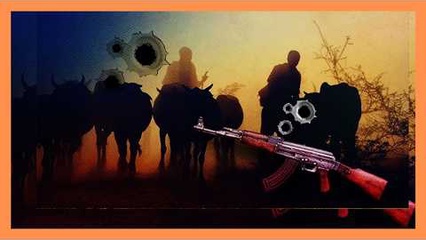
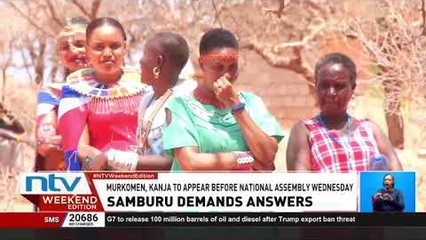
Four people have died following a violent bandit attack in the Samburu West Sub-County on Friday. The incident resulted in loss of life and a significant theft of livestock. Armed assailants raided a village, leading to deaths of herders and theft of livestock. Local leaders in Samburu are now demanding that security chiefs be summoned to address the ongoing livestock deaths and explain their security strategy. Meanwhile, the Deputy Inspector General of Police Eliud Lagat has affirmed the government's unwavering resolve to end violence in the Kerio Valley, stating that the operation to pacify the region will not stop.




Kenya's news, briefed daily
Daily Briefs with audio, your topics, and breaking stories.


Latest Videos



Winnie Odinga crowned by Luo Council of Elders to take up Raila Odinga's political mantle











Mahujaji 16 waliofariki katika ajali ya barabarani Salama walikuwa na hisia kuhusu kifo chao?

Vijana waandamana mbele ya kanisa la Redeemed Gospel Church Buruburu likidai haki kwa binti Jahenda