
Kenya's Fiscal Policies Prompt Credit Rating Upgrade and Sector Concerns - August 2025
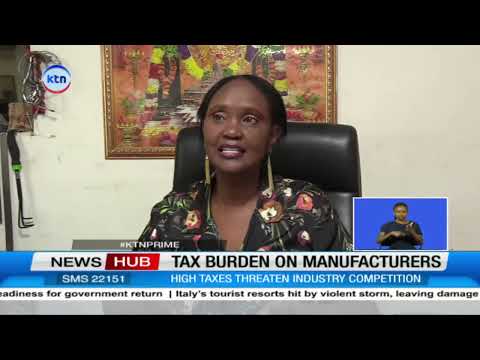
S&P Global Ratings has upgraded Kenya’s credit rating from B- to B, indicating improved financial stability, though analysts urge continued fiscal prudence. This comes as the National Treasury has raised concerns that debt servicing and pension payments consume almost half of Kenya’s ordinary revenues, causing development expenditure to drop. Stakeholders in Kenya's manufacturing sector are also expressing strong disapproval regarding the adverse effects of heavy taxation on their operations, urging a review of current fiscal policies. In a move to streamline financial management, the Treasury has issued strict guidelines to state agencies as the 2026-27 budget cycle approaches.
Kenya’s credit rating upgraded to ‘B’ by S&P amid fiscal caution
Citizen TV (Youtube)
More Videos




Kenya's news, briefed daily
Daily Briefs with audio, your topics, and breaking stories.


More from Tuesday, August 26, 2025




Body Count in Kwa Binzaro Cult Investigation Rises to 19 - August 2025



Government Announces Industrial Expo, Coffee Licensing, and Zero-Based Budgeting Shift - August 2025