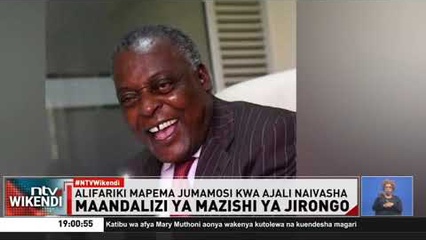
KNEC Warns Schools Over KJSEA Results and Addresses KCSE Examiner Pay - December 2025
The Kenya National Examinations Council (KNEC) has issued a warning to schools, cautioning them against publishing "fake" and "misleading" analyses of the Kenya Junior School Education Assessment (KJSEA) results. Following the inaugural release of KJSEA outcomes on December 11, KNEC clarified that the Competency-Based Education (CBE) system does not use aggregate scores or school rankings. Separately, KNEC addressed concerns about unpaid coordination fees for KCSE examiners. The council stated that all examiners who have completed their marking duties and left the centres have been paid. This clarification followed protests by over 800 examiners at Mary Hills Girls' High School who were demanding their allowances.
News Coverage
KNEC warns schools against publishing ‘fake’ and ‘misleading’ KJSEA results analysis
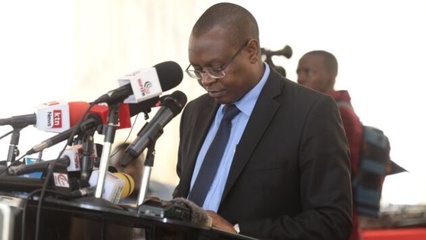
KNEC Breaks Silence After KCSE Examiners Down Their Tools
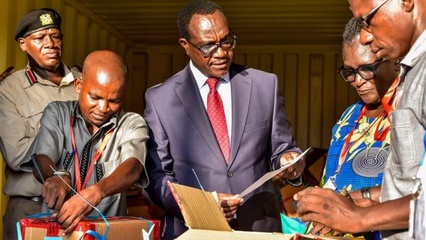
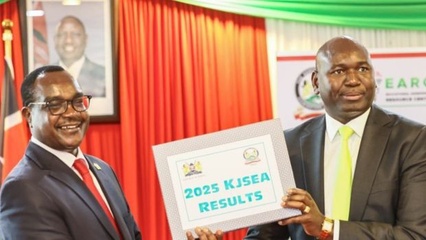
KNEC Clarifies Confusing KJSEA Results, Issues Warning to Schools


Your M-Pesa, turned into a budget
An automatic SMS ledger and expense tracker.
More from Monday, December 15, 2025


Cabinet Approves KSh5 Trillion Infrastructure Fund and Other Major National Projects - December 2025
Canon, Huawei, and HealthX Launch Initiatives for Conservation, Digital Literacy, and Rider Healthcare in Kenya - December 2025