Kenya’s Satellite Operators Now Face Up to KES 45 Million in Licensing Fees. Here’s What Changed and Why It Matters.

Kenya's new satellite licensing rules replace the old KES 1.6M fee with up to KES 45M, affecting Starlink, MultiChoice, and smaller operators...
✨ Key Highlights
Kenya's Communications Authority (CA) has significantly increased satellite operator licensing fees, replacing the old Satellite Landing Rights (SLR) licence with the more expensive International Gateway Systems and Services (IGSS) licence.
- Licensing fees now range from KES 15 million for 15 years to KES 45 million for 25 years, a substantial jump from the previous $12,500 (KES 1.6 million).
- This affects major players including SpaceX's Starlink, MultiChoice, and global operators like Eutelsat and SES.
- The new regulations also introduce a separate Landing Rights Authorisation (LRA) licence costing $25,000, with annual operating fees starting at KES 4 million.
Continue Reading
Read the complete article from Techish Kenya
Part of the Day's Coverage
Kenya’s Satellite Operators Face New Licensing Fees as Market Competition Shifts - April 2026
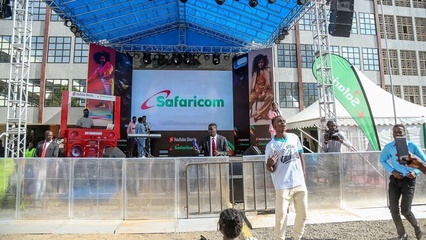
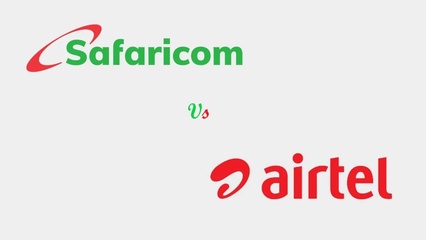
Kenya's Communications Authority (CA) has replaced the Satellite Landing Rights (SLR) licence with the more expensive International Gateway Systems and Services (IGSS) licence, causing operators to face up to KES 45 million in licensing fees. The CA also released its latest mobile network quality report for FY 2024-2025, ranking Safaricom first, followed by Airtel and Telkom. However, the report is criticized for omitting crucial testing for modern mobile usage, specifically gaming and video applications. Meanwhile, Airtel is steadily gaining ground in Kenya's mobile voice call market, chipping away at Safaricom's dominant share throughout 2025. While Safaricom remains the market leader, its share of domestic voice traffic has seen a slight decline.