Kanjama: Why LSK is boycotting courts, targeting the Supreme Court
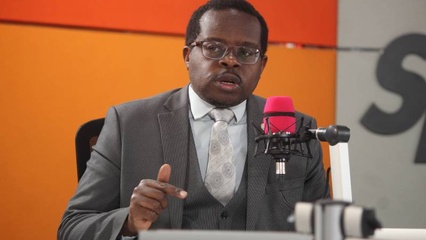
LSK President Charles Kanjama defends Wednesday's planned nationwide court boycott, citing persistent corruption and misconduct in Judiciary; says urgent action needed to restore accountability...
✨ Key Highlights
The Law Society of Kenya (LSK) plans a nationwide court boycott over perceived failures to tackle corruption and improve accountability within the Judiciary. The one-day action, scheduled for Wednesday, July 22, is described as an "industrial action" protected by the Constitution.
- The LSK's President, Charles Kanjama, stated that the boycott is necessary because existing systems have failed to address corruption, misconduct, and poor performance by some judicial officers.
- Kanjama alleged that some judges obstruct investigations into complaints against them by obtaining court orders to stop the Judicial Service Commission (JSC) from proceeding.
- The LSK is also considering an indefinite boycott of selected courts, including the Supreme Court, over unresolved complaints against several judges.
Continue Reading
Read the complete article from The Standard
Part of the Day's Coverage
LSK Announces Court Boycott Over Judiciary Corruption Concerns - July 2026
The Law Society of Kenya has announced a nationwide court boycott scheduled for Wednesday, July 22, describing it as an industrial action protected by the Constitution over perceived failures to tackle corruption and improve accountability within the Judiciary. City lawyer Peter Wanyama has called on LSK to extend the planned court boycott by also cracking down on rogue lawyers accused of undermining the legal profession. This action comes amid ongoing legal proceedings, including a High Court case where a protected witness testified that the Officer Commanding Station at Nairobi's Central Police Station ordered the formatting of CCTV footage around the time of detainee Albert Ojwang's death in custody. Separately, forensic analysis of CCTV footage from Central Police Station revealed that Albert Ojwang entered the station alive and responsive but was later removed unresponsive, a key development in his murder trial.



Kenya's news, briefed daily
Daily Briefs with audio, your topics, and breaking stories.


Related News
Take Kenya's news with you
Breaking stories, daily briefs, and the topics you follow - on your phone, free.