NTSA Explains Why Private Names Appear on Instant Traffic Fine Payments
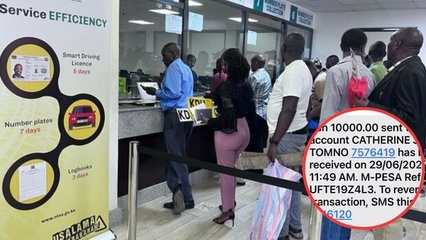
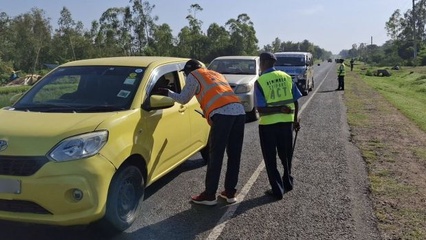
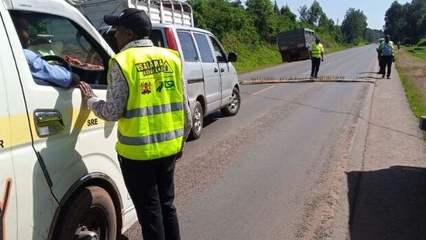
The explanation comes amid public uproar after several transactions by motorists who were required to pay for instant fines, alleging that the fines were being directed to individual account numbers and not NTSA's...
✨ Key Highlights
The National Transport and Safety Authority (NTSA) has addressed public concerns regarding the names appearing on instant traffic fine payment receipts, clarifying that transactions are legitimate despite intermediary bank agent names showing up.
- NTSA Director General Nashon Kondiwa explained that registered bank agents, acting on behalf of financial institutions, may appear on intermediate transaction records when fines are paid in cash via banks.
- This clarification comes after motorists reported payments seemingly directed to individual accounts instead of the NTSA.
- Kondiwa emphasized that official receipts always clearly indicate the correct government account, and urged caution against fraudulent messages received through private phone numbers.
Continue Reading
Read the complete article from Kenyans
Part of the Day's Coverage
NTSA Warns Motorists Against Fake Speeding Ticket Scam Messages - July 2026
The National Transport and Safety Authority (NTSA) has issued a stern warning to motorists in Kenya regarding a rise in fake speeding ticket scam messages, directing unsuspecting drivers to suspicious websites to pay non-existent penalties. NTSA has issued a clarification regarding instant traffic fines, stating that payments must be made physically at KCB branches and agents, not through the eCitizen platform. Additionally, NTSA has addressed public concerns regarding the names appearing on instant traffic fine payment receipts, clarifying that transactions are legitimate despite intermediary bank agent names showing up. The High Court has also ruled on NTSA's mandatory annual private vehicle inspection requirements, while NTSA has postponed the nationwide mandatory vehicle inspection for all motorists to June 2027, citing insufficient inspection centers.