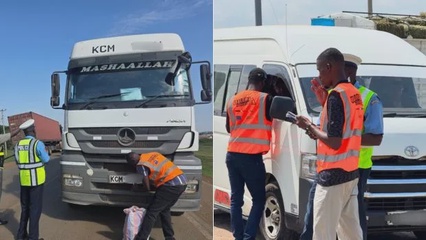
NTSA Responds to Growing Scams Targeting Motorists with Speeding Tickets
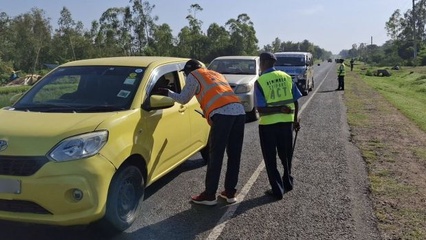
Motorists have been receiving notifications and alerts from numbers claiming to be NTSA's, with members of the public demanding immediate attention from NTSA...
✨ Key Highlights
The National Transport and Safety Authority (NTSA) has issued a stern warning to motorists in Kenya regarding a rise in fake speeding ticket scam messages. These fraudulent alerts are directing unsuspecting drivers to suspicious websites to pay non-existent penalties.
- Motorists are receiving text messages claiming their vehicles have triggered traffic restrictions and prompting them to click on suspicious links that request credit card details.
- The NTSA, led by Director General Nashon Kondiwa, advises the public to disregard unofficial messages and verify all traffic-related notifications through the authority's official channels.
- Genuine speeding notifications from the NTSA will include specific details like the vehicle registration number and location of the offence, unlike the generic and fraudulent messages circulating.
Continue Reading
Read the complete article from Kenyans
Part of the Day's Coverage
NTSA Warns Motorists Against Fake Speeding Ticket Scam Messages - July 2026
The National Transport and Safety Authority (NTSA) has issued a stern warning to motorists in Kenya regarding a rise in fake speeding ticket scam messages, directing unsuspecting drivers to suspicious websites to pay non-existent penalties. NTSA has issued a clarification regarding instant traffic fines, stating that payments must be made physically at KCB branches and agents, not through the eCitizen platform. Additionally, NTSA has addressed public concerns regarding the names appearing on instant traffic fine payment receipts, clarifying that transactions are legitimate despite intermediary bank agent names showing up. The High Court has also ruled on NTSA's mandatory annual private vehicle inspection requirements, while NTSA has postponed the nationwide mandatory vehicle inspection for all motorists to June 2027, citing insufficient inspection centers.