




























business
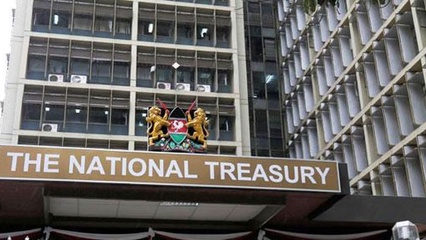
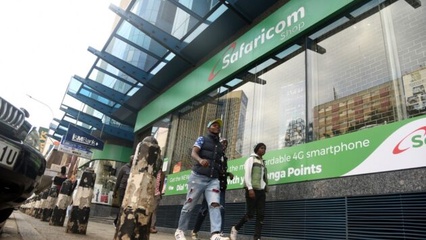
15 storiesOil falls below $100 amid hopes Iran war will end soon: Oil prices have fallen below $100 a barrel and Asian shares have surged following President Donald Trump's statement that the US will withdraw from Iran in "two to three weeks," irrespective of a deal. South Africa has announced significant fuel price hikes effective midnight, with petrol and diesel set to rise sharply due to escalating global oil prices and a weakening rand. Meanwhile, a crucial deal between the Kenyan government and Saudi Arabian firm Saudi Aramco to supply cheaper cooking gas has collapsed, delaying plans to expand the country's liquefied petroleum gas (LPG) infrastructure and lower prices. These developments reflect the ongoing volatility in global energy markets and their impact on consumers. KRA introduces WhatsApp tax returns platform: The Kenya Revenue Authority (KRA) has launched a new WhatsApp-based platform designed to simplify the process of filing tax returns for Kenyans, aiming to boost compliance and enhance user experience by significantly reducing the number of steps required. Kenya's National Treasury is also transitioning to an electronic Pension Management Information System (e-PMIS) for retired civil servants starting May 1, 2026, aiming to eliminate lengthy processing delays and enhance security. Additionally, Infinix has launched the NOTE 60 Pro smartphone in Kenya, positioning it as a tool to empower the nation's burgeoning creative industry under the #CreatePro movement. These digital initiatives demonstrate Kenya's push toward technology-driven service delivery. Treasury warns Kenya’s Sh1.12tn budget deficit threatens fiscal stability: Kenya's Treasury has warned that a projected budget deficit of Sh1.12 trillion for the upcoming fiscal year poses a significant threat to the nation's fiscal stability, a sharp increase from the previous budget. The National Treasury Principal Secretary, Chris Kiptoo, acknowledged that the country's reliance on borrowing to finance its budget is unsustainable, even as the government plans to borrow more to cover this deficit for the 2025/26 financial year. Separately, the Kenyan National Assembly has approved the government's plan to sell a portion of its stake in Safaricom, allowing the State to offload shares effective April 1, 2026, with the transaction valued at Sh240 billion. These developments highlight the government's efforts to raise revenue amid growing fiscal pressures. Under 40s drive money market funds uptake, StanChart report: Younger Kenyans, particularly those under 40, are increasingly driving the uptake of money market funds (MMFs) in Kenya, according to a new report from Standard Chartered Bank. Separately, Safaricom's Ziidi Money Market Fund has reported a strong financial performance, posting a profit after tax of Sh784.2 million for the 14-month period ending December 31, 2025. An expert has also highlighted that widespread adoption of cloud computing is crucial for Kenya to achieve its $35-billion digital economy aspirations, emphasizing its role in driving innovation and inclusive growth. These stories collectively illustrate the growing role of younger Kenyans in driving adoption of digital financial products and Kenya's digital transformation. Households pressured by rising tomato, beef prices: Kenya's inflation has returned to 4.4 percent in March, driven by a significant increase in the prices of tomatoes and beef, putting renewed pressure on household budgets. East African Portland Cement (EAPC) has announced a price increase for its Blue Triangle cement, attributed to the ongoing rise in raw material costs, impacting the construction sector. The Kenyan government has assured that the Gikomba Market redevelopment will be completed within six months, promising phased construction to minimize disruption for traders. These stories reflect rising costs affecting both consumers and businesses across different sectors of the Kenyan economy.