Prepare for turbulence – how a prolonged Middle East conflict could reshape how we fly
MAR 26 - It was once a humble outpost in the world of global aviation, a dusty overnight halt for luxury flying boats making the arduous journey from the Kenya breaking news | Kenya news today |..
✨ Key Highlights
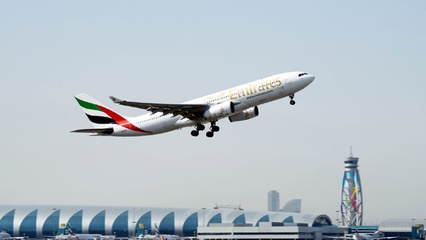
A prolonged conflict in the Middle East has significantly disrupted global air travel, impacting major Gulf aviation hubs like Dubai, Abu Dhabi, and Doha. This disruption threatens the successful "Gulf model" of aviation which has made long-distance travel more affordable.
- More than 3,000 flights normally operate daily through these Gulf airports; the conflict has led to widespread cancellations.
- Key airlines affected include Emirates, Etihad, and Qatar Airways, with disruptions causing passenger stranded and increased fuel prices.
- Experts warn that a prolonged conflict could permanently deter travelers and lead to a significant increase in long-haul airfares globally, as European carriers lack the capacity to replace the Gulf hubs.
Continue Reading
Read the complete article from Capital Business
Part of the Day's Coverage
Prepare for Turbulence: Prolonged Middle East Conflict Reshapes Air Travel - March 2026
A prolonged conflict in the Middle East has significantly disrupted global air travel, impacting major Gulf aviation hubs like Dubai, Abu Dhabi, and Doha. This disruption threatens the successful "Gulf model" of aviation which has made long-distance travel more affordable. South Korea is expanding fuel tax cuts to ease financial pressure on citizens amidst ongoing Middle East conflict. Skyward Airlines will increase its ticket prices starting April 1, 2026, due to escalating aviation fuel costs, implementing a fuel surcharge on all tickets. The OECD projects global economic growth to slow to 2.9 percent in 2026, citing Middle East tensions as a significant risk factor.